Have you ever heard someone describe food, a person’s personality, or even a comment as zesty and wondered what they meant? If so, you’re not alone. Many people search what does zesty mean because the word is used in different ways depending on the situation.
At its core, zesty usually describes something that is full of flavor, energy, or excitement. It can refer to delicious food with a fresh citrus taste, but it can also describe someone’s lively personality or even be used as modern internet slang. Understanding the different meanings helps you use the word naturally in conversations.
In this guide, you’ll learn the dictionary definition, slang meaning, examples, synonyms, and the different ways people use the word every day.
What Does Zesty Mean in the Dictionary?
The dictionary defines zesty as something that has a strong, pleasant, and lively flavor. It often refers to foods that contain citrus fruits like lemons, limes, or oranges, giving them a fresh and tangy taste.
However, English words often grow beyond their original meanings. Today, zesty can also describe anything that feels energetic, colorful, exciting, or full of life.
Here are the two main dictionary meanings:
- Full of strong, fresh flavor
- Energetic, lively, or exciting
For example:
- “This pasta has a zesty tomato sauce.”
- “She gave a zesty performance on stage.”
Both examples use the same word, but in different contexts.
Origin of the Word Zesty
The word zesty comes from the noun zest.
Originally, zest referred to the colorful outer peel of citrus fruits such as:
- Lemon
- Orange
- Lime
- Grapefruit
This peel contains natural oils that add strong flavor and aroma to food. Because citrus zest makes dishes taste brighter and more exciting, the word eventually became associated with anything lively or energetic.
Today, people use zesty in cooking, writing, entertainment, sports, and everyday conversations.
What Does Zesty Mean When Talking About Food?
The most common use of zesty is in cooking.
When someone calls food zesty, they usually mean it has a bright, fresh flavor that wakes up your taste buds. It often includes citrus juice, herbs, spices, or ingredients that make food taste more vibrant.
Common zesty foods include:
- Lemon chicken
- Lime tacos
- Orange salad dressing
- Fresh salsa
- Citrus marinades
- Lemon pasta
- Tangy barbecue sauce
Imagine biting into grilled chicken with fresh lemon juice, garlic, herbs, and black pepper. That refreshing flavor is exactly what many people describe as zesty.
Also read: Pizza Jokes That Will Make Everyone Laugh
Ingredients That Make Food Zesty
Several ingredients can create a zesty flavor, including:
- Lemon juice
- Lime juice
- Orange zest
- Fresh herbs
- Vinegar
- Garlic
- Ginger
- Black pepper
- Chili flakes
These ingredients add brightness rather than just heat.
Zesty vs Spicy
Many people think zesty means spicy, but they are not exactly the same.
| Zesty | Spicy |
|---|---|
| Bright flavor | Hot flavor |
| Often citrus-based | Often chili-based |
| Refreshing | Burning sensation |
| Tangy and lively | Heat from peppers |
A dish can be both zesty and spicy, but one does not automatically mean the other.
What Does Zesty Mean When Describing a Person?
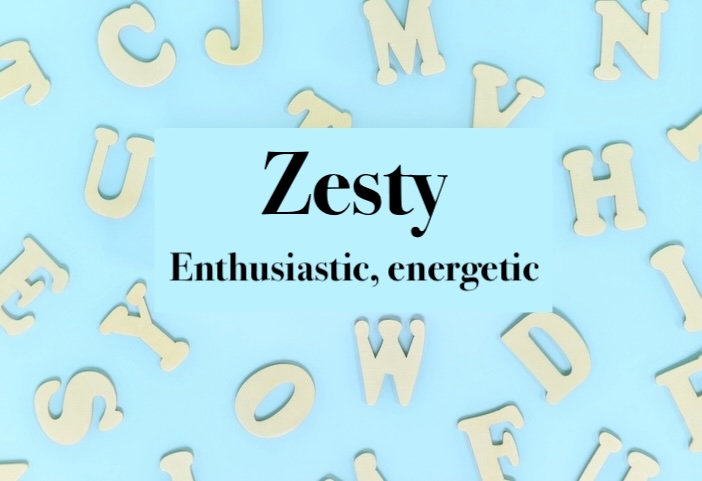
People are often described as zesty when they have a cheerful, energetic, and lively personality.
A zesty person usually:
- Smiles often
- Has lots of energy
- Enjoys trying new things
- Makes conversations interesting
- Brings excitement wherever they go
For example:
- “Our new teacher has a zesty personality.”
- “His zesty attitude motivated the whole team.”
In these examples, the word has nothing to do with food. Instead, it describes someone’s positive energy.
Traits of a Zesty Personality
Someone with a zesty personality often shows:
- Confidence
- Enthusiasm
- Creativity
- Positivity
- Humor
- Passion
- Curiosity
These qualities make the person enjoyable to be around.
What Does Zesty Mean in Slang?
Over the last few years, zesty has become popular on social media platforms like TikTok, X (formerly Twitter), Instagram, and Reddit.
In slang, the meaning depends heavily on context.
Sometimes, zesty is used jokingly to describe someone acting dramatically, unusually expressive, or overly confident. In other situations, people use it as playful internet humor without intending any serious meaning.
For example:
- “He’s acting a little zesty today.”
- “That dance move was pretty zesty.”
- “Your outfit is extra zesty.”
These comments are usually meant as jokes among friends.
Why the Slang Meaning Can Be Confusing
Unlike dictionary definitions, slang constantly changes.
Different online communities may use zesty differently. One group might use it to mean energetic or stylish, while another may use it as a humorous way to tease someone’s behavior.
Because slang evolves quickly, it’s always best to understand the context before assuming what someone means.
Is Zesty a Compliment?
Most of the time, yes.
Calling someone zesty is usually positive because it suggests they have energy, confidence, or an exciting personality.
Examples include:
- “You always bring such a zesty vibe.”
- “Her speech was fun and zesty.”
- “I love your zesty sense of humor.”
These are genuine compliments.
However, if someone says the word sarcastically or while teasing a friend, the tone may change the meaning. Like many English words, context matters more than the word itself.
Common Examples of Zesty in Everyday Conversations
Learning through examples makes new vocabulary much easier.
Here are some common sentences using zesty naturally.
About Food
- This salsa has a zesty lime flavor.
- I enjoy zesty salad dressings.
- The soup tastes more zesty with fresh lemon.
About People
- She has a zesty personality.
- His zesty energy filled the room.
- Our coach always gives zesty motivational speeches.
About Events
- The concert had a zesty atmosphere.
- The party became more zesty after the music started.
- Their presentation was informative and zesty.
These examples show how flexible the word has become in modern English.
Words Similar to Zesty
If you want to improve your vocabulary, it helps to know words that have similar meanings.
Some common synonyms include:
- Lively
- Energetic
- Vibrant
- Flavorful
- Tangy
- Fresh
- Spirited
- Exciting
- Animated
- Enthusiastic
Each synonym works best in different situations.
For example:
- Flavorful is better for food.
- Energetic works well for people.
- Vibrant often describes places, colors, or personalities.
- Tangy specifically refers to taste.
Zesty vs. Sassy vs. Spicy vs. Feisty
Many English words have similar meanings, which can make them confusing. Although zesty, sassy, spicy, and feisty all suggest excitement or energy, they are not interchangeable.
Understanding the differences helps you choose the right word in conversations and writing.
Zesty
Zesty describes something lively, fresh, energetic, or full of flavor.
Examples:
- The lemonade has a zesty taste.
- She has a zesty personality.
- The event had a zesty atmosphere.
The word usually carries a positive meaning.
Sassy
Sassy describes someone who is bold, playful, or speaks with confidence. Sometimes it can sound rude, depending on the situation.
Examples:
- She gave a sassy reply.
- His little sister has a sassy attitude.
Unlike zesty, sassy focuses more on someone’s words or behavior.
Spicy
Spicy most often refers to food that contains chili peppers or strong spices.
Examples:
- This curry is very spicy.
- I can’t eat spicy food every day.
Online, people also use spicy to describe exciting stories, surprising opinions, or bold fashion choices.
Feisty
Feisty describes someone who is determined, spirited, and willing to stand up for themselves.
Examples:
- The small dog is feisty.
- She remained feisty during the debate.
Unlike zesty, feisty often suggests toughness or fighting spirit.
Different Situations Where People Use the Word Zesty
One reason people search what does zesty mean is because the word appears in many different places.
Here are some of the most common situations where you’ll hear it.
In Restaurants
Restaurants often use zesty on menus because it sounds appealing.
Examples include:
- Zesty lemon chicken
- Zesty Italian dressing
- Zesty shrimp tacos
- Zesty garlic pasta
- Zesty barbecue sauce
The word tells customers that the food has a fresh and bold flavor.
In Advertisements
Companies frequently use zesty to promote products because it creates a feeling of freshness and excitement.
For example:
- Zesty toothpaste
- Zesty soap
- Zesty cleaning products
- Zesty beverages
In marketing, the word helps products sound energetic and refreshing.
In Everyday Conversations
Friends may casually use zesty to describe people or situations.
For example:
- That party was really zesty.
- He’s always so zesty in the morning.
- Your speech was surprisingly zesty.
These examples focus on enthusiasm rather than flavor.
What Does Zesty Mean on TikTok?
Social media has given many English words new meanings, and zesty is one of them.
On TikTok, creators often use the word in a playful way. Someone might call a dance, outfit, facial expression, or dramatic reaction “zesty.”
Examples include:
- “That walk was zesty.”
- “His outfit looks extra zesty.”
- “That reaction was so zesty.”
In many cases, the speaker simply means the person is expressive, energetic, stylish, or entertaining.
However, internet slang changes quickly. Different communities may use the word differently, so context is important.
What Does Zesty Mean on Snapchat and Instagram?
The slang meaning on Snapchat and Instagram is very similar to TikTok.
Friends may use zesty when commenting on:
- Selfies
- Fashion
- Dance videos
- Funny clips
- Voice messages
- Reactions
- Memes
Most of the time, the word is meant as lighthearted humor rather than a serious description.
If someone comments, “You’re feeling zesty today,” they are often teasing you in a friendly way.
Can Zesty Have Different Meanings?
Yes.
One interesting thing about English is that many words have multiple meanings depending on context.
Here are the most common meanings of zesty.
| Situation | Meaning |
|---|---|
| Food | Fresh, tangy, flavorful |
| Person | Energetic and lively |
| Speech | Interesting and exciting |
| Event | Fun and full of life |
| Internet slang | Playful, expressive, or dramatic depending on context |
This flexibility is why the word has become so popular.
Common Mistakes People Make
Many English learners misunderstand the word zesty.
Here are some common mistakes to avoid.
Thinking Zesty Always Means Spicy
This is probably the biggest misunderstanding.
A dish can taste zesty without being hot.
Lemon juice, herbs, and citrus flavors are often zesty without adding any heat.
Assuming Every Slang Use Means the Same Thing
Internet slang changes frequently.
A word that means one thing on TikTok may have a different meaning in another online community.
Always consider the conversation before interpreting slang.
Using It for Negative Situations
The word zesty is generally positive.
For example:
- A zesty personality
- A zesty recipe
- A zesty presentation
These all suggest energy and excitement.
It is rarely used to describe something boring or unpleasant.
Why Has Zesty Become So Popular?
Several factors have helped make zesty a popular word.
Social Media Trends
Millions of videos include the word because it is short, catchy, and easy to remember.
Positive Meaning
Unlike many slang terms, zesty often sounds upbeat and fun.
People naturally enjoy words that describe excitement and enthusiasm.
Flexible Usage
The word works in many situations.
You can describe:
- Food
- People
- Clothing
- Performances
- Events
- Music
- Conversations
- Humor
Very few English adjectives are this flexible.
How to Use Zesty Naturally
If you’re learning English, here are some easy ways to include zesty in everyday conversations.
Instead of saying:
- The food was good.
Try:
- The food had a zesty flavor.
Instead of saying:
- She has lots of energy.
Try:
- She has a zesty personality.
Instead of saying:
- The event was exciting.
Try:
- It was a zesty celebration.
Using descriptive vocabulary like this makes your English sound more natural.
Real-Life Examples of Zesty
Here are a few everyday situations where the word fits perfectly.
At Dinner
You taste grilled fish with lemon, herbs, and garlic.
You might say:
“This fish has a really zesty flavor.”
At School
A teacher tells stories, jokes with students, and keeps everyone interested.
Students may say:
“Our teacher has such a zesty personality.”
At a Birthday Party
The music is loud, everyone is dancing, and the room feels full of energy.
Someone might comment:
“This party has a zesty vibe.”
Watching Sports
An energetic commentator keeps viewers entertained.
People might say:
“The commentator gave a zesty performance.”
These examples show that the word works well in many different situations.
Tips for Remembering the Meaning of Zesty

If you struggle to remember new vocabulary, try these simple tricks.
- Think of fresh lemons and limes.
- Remember that zest comes from citrus peel.
- Connect the word with freshness and energy.
- Practice using it in complete sentences.
- Listen for the word in movies, TV shows, and social media videos.
The more often you hear and use zesty, the easier it becomes to remember.
Why Learning Words Like Zesty Matters
Building your vocabulary makes communication easier.
Understanding words such as zesty helps you:
- Follow online conversations.
- Understand restaurant menus.
- Enjoy books and movies.
- Improve your writing.
- Speak more naturally.
- Recognize internet slang.
Small vocabulary improvements add up over time and make English much easier to understand.
Frequently Asked Questions About What Does Zesty Mean
What does zesty mean in simple words?
Zesty means full of fresh flavor, energy, or excitement. It can describe food, people, events, or even someone’s personality.
Does zesty always refer to food?
No. Although it originally described food with a fresh citrus flavor, it is now commonly used to describe lively people, exciting experiences, and energetic performances.
Is zesty the same as spicy?
No. Zesty usually means fresh, tangy, or vibrant, while spicy refers to the hot flavor created by chili peppers or other strong spices. A dish can be both zesty and spicy, but the two words have different meanings.
Is calling someone zesty a compliment?
In most situations, yes. It often means the person is energetic, cheerful, interesting, or full of life. However, the tone and context of the conversation can change how the word is understood.
What does zesty mean in slang?
As internet slang, zesty is often used humorously to describe someone acting expressive, dramatic, stylish, or unusually energetic. The exact meaning depends on the context and the online community using it.
Can you use zesty in professional writing?
Yes. It is commonly used in food writing, travel articles, lifestyle blogs, product descriptions, and marketing content. In very formal or academic writing, words like energetic, vibrant, or flavorful may sometimes be more appropriate.
What are some synonyms for zesty?
Some common synonyms include:
- Vibrant
- Energetic
- Lively
- Flavorful
- Tangy
- Spirited
- Animated
- Fresh
- Enthusiastic
- Exciting
How can I use zesty in a sentence?
Here are a few examples:
- The salad has a zesty lemon dressing.
- She has a zesty personality that makes everyone smile.
- The festival had a zesty atmosphere from beginning to end.
- We enjoyed a zesty conversation about our travel plans.
Final Thoughts on What Does Zesty Mean
Now that you understand what does zesty mean, it’s easy to see why this word has become so popular in everyday English. It began as a way to describe foods with a bright, citrusy flavor, but today it has grown into a versatile adjective that can describe people, personalities, events, conversations, and even internet culture.
Whether you’re reading a restaurant menu, scrolling through social media, or talking with friends, you’ll likely come across the word zesty. In most cases, it suggests freshness, energy, enthusiasm, or something that stands out in a positive way. The key is to pay attention to the context, especially when it’s used as slang, since online meanings can vary between communities.
Adding words like zesty to your vocabulary makes your English more expressive and natural. Instead of using basic words like good or interesting, you can describe food as zesty, a person as lively, or an event as full of energy. This small change makes your conversations and writing more engaging.
The next time someone asks, “What does zesty mean?”, you’ll know that the answer goes beyond food. It can describe flavor, personality, excitement, and even playful internet slang. Understanding its different meanings will help you recognize and use the word confidently in everyday situations.