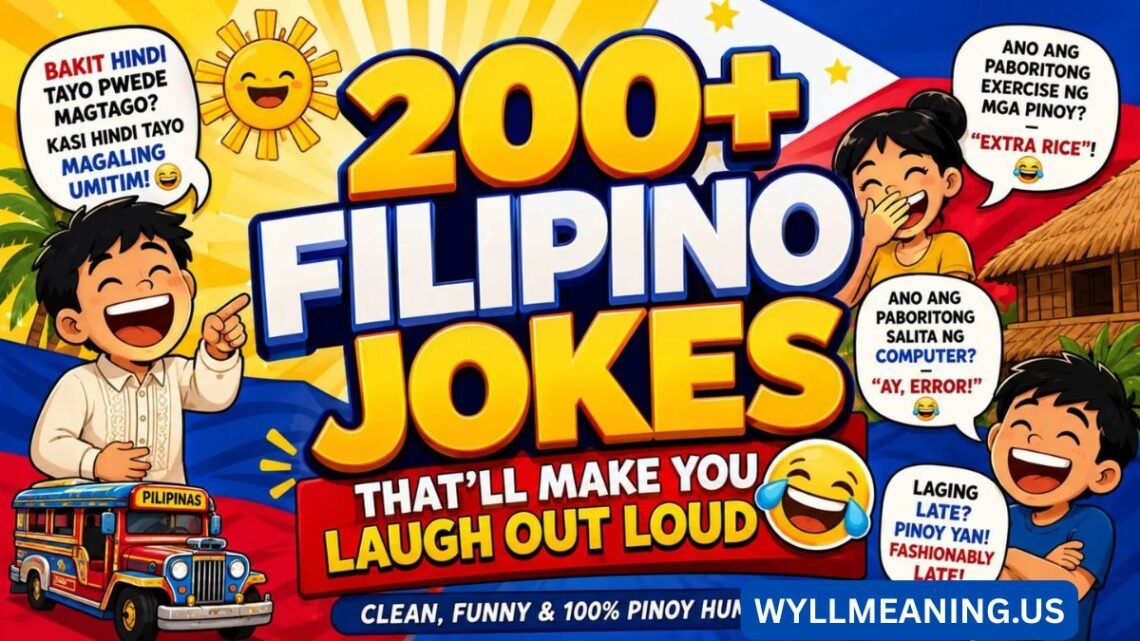
Filipino jokes are known for being lighthearted, clever, and full of personality. Whether shared during family gatherings, school breaks, or online chats, these jokes have a special way of bringing people together. They often mix everyday life with funny observations, wordplay, and relatable situations that anyone can enjoy.
Humor is an important part of Filipino culture. Even during difficult times, many Filipinos choose to smile, laugh, and make others happy. This positive attitude has made Filipino jokes popular not only in the Philippines but also among Filipino communities around the world. In this guide, you will discover what makes these jokes unique, the different types of humor, and why they continue to entertain people of all ages.
Why Filipino Jokes Are So Popular
Laughter is something that connects people, and Filipino humor does this exceptionally well. Most Filipino jokes are easy to understand because they focus on everyday experiences such as school, work, family life, and friendships.
Another reason these jokes are popular is that they are usually clean and suitable for all ages. Parents can share them with children, teachers can use them to make lessons more enjoyable, and friends can exchange them without worrying about offending others.
Social media has also helped Filipino jokes reach a larger audience. Funny memes, short videos, and humorous posts are shared every day, introducing Filipino humor to people from different countries.
Also read: Potato Puns That Will Make Everyone Laugh
The Special Style of Filipino Humor
Everyday Situations Become Funny
Many Filipino jokes are based on ordinary life. Waiting for public transportation, eating with family, attending school, or shopping at the market can all become the perfect setup for a funny story.
Because these situations are familiar, readers quickly connect with the joke and appreciate the humor.
Wordplay Makes People Smile
The Filipino language contains many words with different meanings or similar sounds. Creative people often use these words to create funny puns that surprise listeners.
Even when translated into English, the clever thinking behind these jokes often remains enjoyable.
Friendly and Positive Humor
Unlike humor that depends on insulting others, many Filipino jokes focus on playful conversations and harmless misunderstandings. This creates laughter without making anyone feel uncomfortable.
Different Types of Filipino Jokes
There is no single style of Filipino humor. Instead, there are several popular categories that people enjoy.
Family Jokes
Family gatherings are full of laughter in many Filipino homes. Parents, grandparents, cousins, and children all enjoy telling funny stories.
These jokes usually involve:
- Parents giving funny advice
- Sibling rivalries
- Grandparents sharing clever stories
- Family celebrations
- Everyday household moments
School Jokes
Students love sharing jokes during lunch breaks or after class. These jokes often involve teachers, homework, exams, and classroom adventures.
Example:
Teacher: Why are you late?
Student: Because everyone else came before me.
Simple jokes like this continue to make students laugh because they are easy to understand.
Office Humor
Adults also enjoy Filipino jokes at work. Office humor usually involves meetings, deadlines, coffee breaks, or friendly conversations among coworkers.
These jokes help reduce stress and improve teamwork.
Food Jokes
Food plays a huge role in Filipino culture, so it’s no surprise that many jokes are inspired by favorite dishes and eating habits.
Whether someone loves rice, noodles, desserts, or grilled foods, food jokes often make people smile because everyone can relate.
Filipino Jokes Reflect Everyday Life
One reason Filipino jokes stay popular is that they mirror real experiences.
Imagine someone trying to remember a long grocery list but returning home with snacks instead. This simple situation becomes funny because many people have experienced something similar.
Another example is forgetting where you placed your phone while you are already holding it. These everyday moments become even funnier when shared with friends.
Humor helps people realize they are not alone in making small mistakes.
The Role of Family in Filipino Humor
Family is one of the biggest influences on Filipino jokes.
Children often hear funny stories from parents and grandparents while growing up. During birthdays, holidays, and reunions, laughter naturally becomes part of the celebration.
Family jokes usually avoid harsh language and focus instead on playful teasing. Everyone laughs together rather than at one another.
This positive style has helped Filipino humor remain popular across many generations.
Filipino Jokes on Social Media
Today’s internet has completely changed how jokes spread.
Popular platforms allow users to share funny content instantly. A clever joke can reach thousands of people within minutes.
Some common online formats include:
- Funny captions
- Short comedy videos
- Memes
- Reaction images
- Chat screenshots
- Comic strips
Many creators also mix English and Filipino languages, making the jokes enjoyable for bilingual audiences.
Classic Filipino Jokes That Never Get Old
Some jokes remain popular because they are simple and timeless.
Here are a few lighthearted examples.
The Smart Kid
Teacher: What comes after Friday?
Student: Saturday… if I finish my homework.
The Hungry Friend
Friend: Are you full?
Friend Two: No, I still have room for dessert.
The Sleepy Student
Parent: Why are you still sleeping?
Student: I’m saving energy for school.
These jokes may be simple, but they create smiles because they reflect everyday conversations.
What Makes a Good Filipino Joke?
A successful joke usually includes several important qualities.
Easy to Understand
People should quickly understand the situation without needing a long explanation.
Relatable
The best humor comes from experiences that many people have shared.
Family Friendly
Clean jokes can be enjoyed by children, adults, and grandparents alike.
Positive
Good humor leaves people smiling rather than feeling embarrassed or uncomfortable.
Benefits of Sharing Filipino Jokes
Laughter offers more than entertainment.
Sharing jokes can also:
- Improve your mood
- Reduce daily stress
- Build stronger friendships
- Create lasting memories
- Make conversations more enjoyable
- Help families spend quality time together
Many workplaces even encourage light humor because it creates a friendlier environment.
Filipino Jokes Around the World
Millions of Filipinos live outside the Philippines, taking their humor with them.
Whether living in North America, Europe, Australia, or the Middle East, Filipino communities continue sharing jokes during celebrations and online conversations.
Humor also helps younger generations stay connected with Filipino culture.
Many people who were born outside the Philippines still enjoy learning traditional jokes from parents and grandparents.
Tips for Telling Filipino Jokes

Anyone can become better at making people laugh.
Here are some helpful tips:
- Tell jokes naturally.
- Smile while speaking.
- Keep the joke short.
- Choose jokes appropriate for your audience.
- Avoid offensive humor.
- Focus on timing.
- Practice with family and friends.
Confidence often makes a joke even funnier than the words themselves.
Common Mistakes to Avoid
Not every joke works in every situation.
Avoid these common mistakes:
- Making fun of someone’s appearance
- Using offensive language
- Explaining the joke too much
- Interrupting someone else’s story
- Repeating the same joke too often
Respectful humor usually creates the biggest laughs because everyone feels included.
Why Filipino Humor Continues to Grow
The future of Filipino jokes looks bright.
New generations continue creating original humor through social media, podcasts, short videos, and online communities. At the same time, traditional jokes passed down by parents and grandparents remain popular.
This mix of classic and modern comedy keeps Filipino humor fresh while preserving its cultural roots.
Whether people laugh at a clever pun, a funny family story, or a relatable meme, the goal stays the same: bringing happiness to others.
Conclusion
Filipino jokes are much more than simple entertainment. They reflect kindness, creativity, family values, and the ability to find joy in everyday life. From classroom conversations and family gatherings to viral social media posts, these jokes continue to connect people through laughter.
As Filipino humor reaches audiences around the world, it reminds us that a good laugh can brighten any day. Whether you enjoy classic jokes, funny stories, or modern memes, Filipino jokes remain a wonderful way to share smiles, strengthen relationships, and celebrate a rich culture filled with warmth and positivity.
FAQs
What are Filipino jokes?
Filipino jokes are funny stories, puns, and humorous conversations inspired by Filipino culture and everyday life.
Why are Filipino jokes so popular?
They are relatable, family-friendly, easy to understand, and often based on real-life experiences.
Are Filipino jokes suitable for children?
Yes, many Filipino jokes are clean, wholesome, and appropriate for all ages.
Where can I find Filipino jokes online?
You can find them on social media platforms, comedy pages, blogs, and community forums.
Do Filipino jokes use both English and Filipino languages?
Yes, many jokes combine English and Filipino, making them fun for bilingual audiences.
Can Filipino jokes help reduce stress?
Yes. Laughing at funny jokes can improve mood, lower stress, and make social interactions more enjoyable.
What topics are common in Filipino jokes?
Popular topics include family, school, work, food, friendships, and everyday situations.
Why do Filipino jokes spread quickly on social media?
Their relatable humor, short format, and positive message make them easy to share and enjoy with others.